How Depreciation Can Add $30K+ to Your Bottom Line on a Walgreens NNN Deal
Is depreciation the hidden key to maximizing returns on NNN deals?
Learn how one Walgreens real estate investment unlocks over $30,000 in yearly tax savings — and how you can apply this strategy yourself.
Get access to deals and data that matter.
No spam. Just substance.
Unlocking the Power of Depreciation
Thinking about buying a Walgreens or another net lease asset? Most investors run the numbers on rent, cap rate, and financing. But one of the biggest contributors to your bottom line is hiding in the tax section of your underwriting: depreciation.
When used strategically, depreciation can quietly put tens of thousands of dollars back in your pocket every year.
How One Walgreens Deal Can Save You $30K Per Year in Taxes
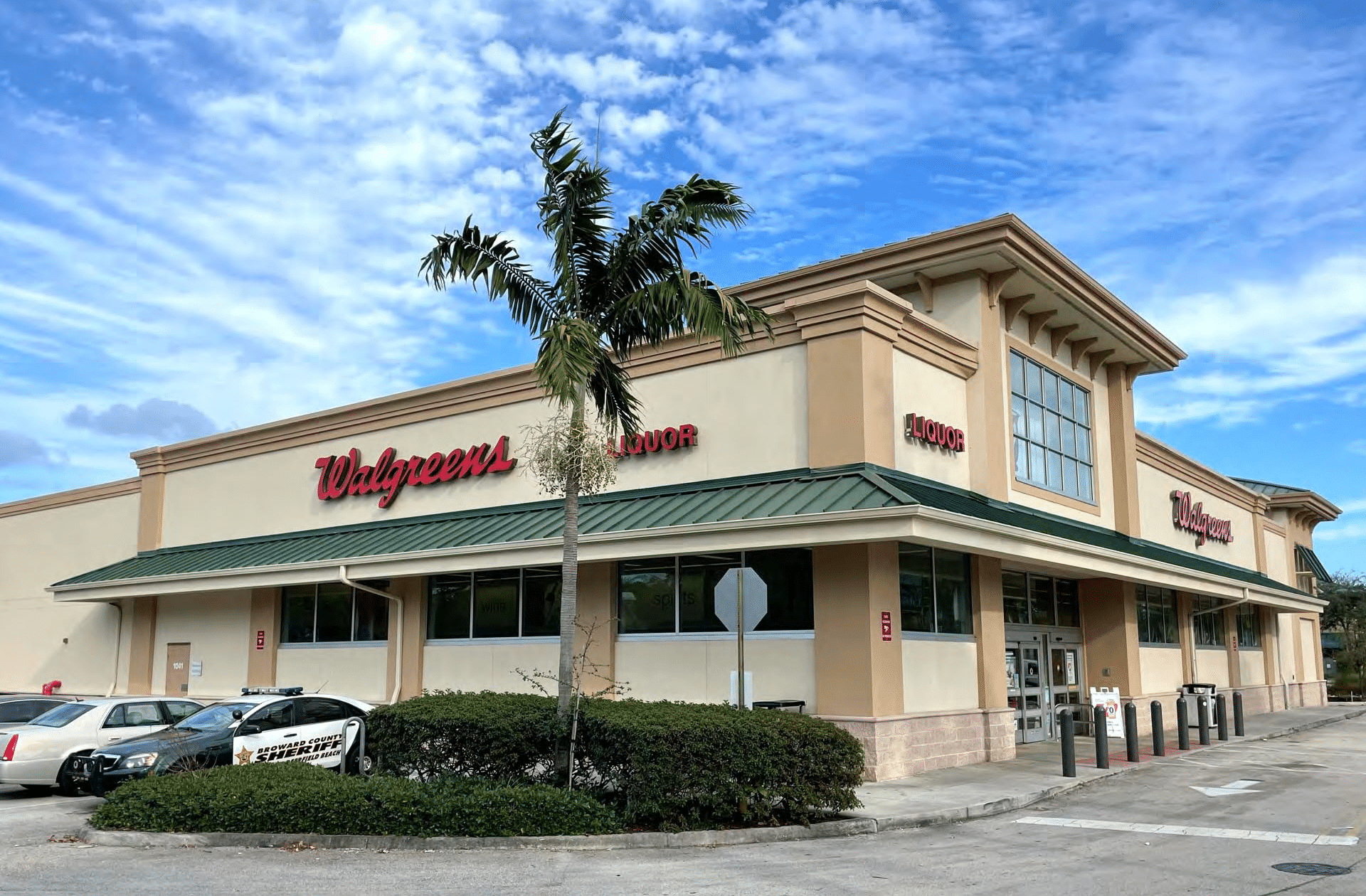
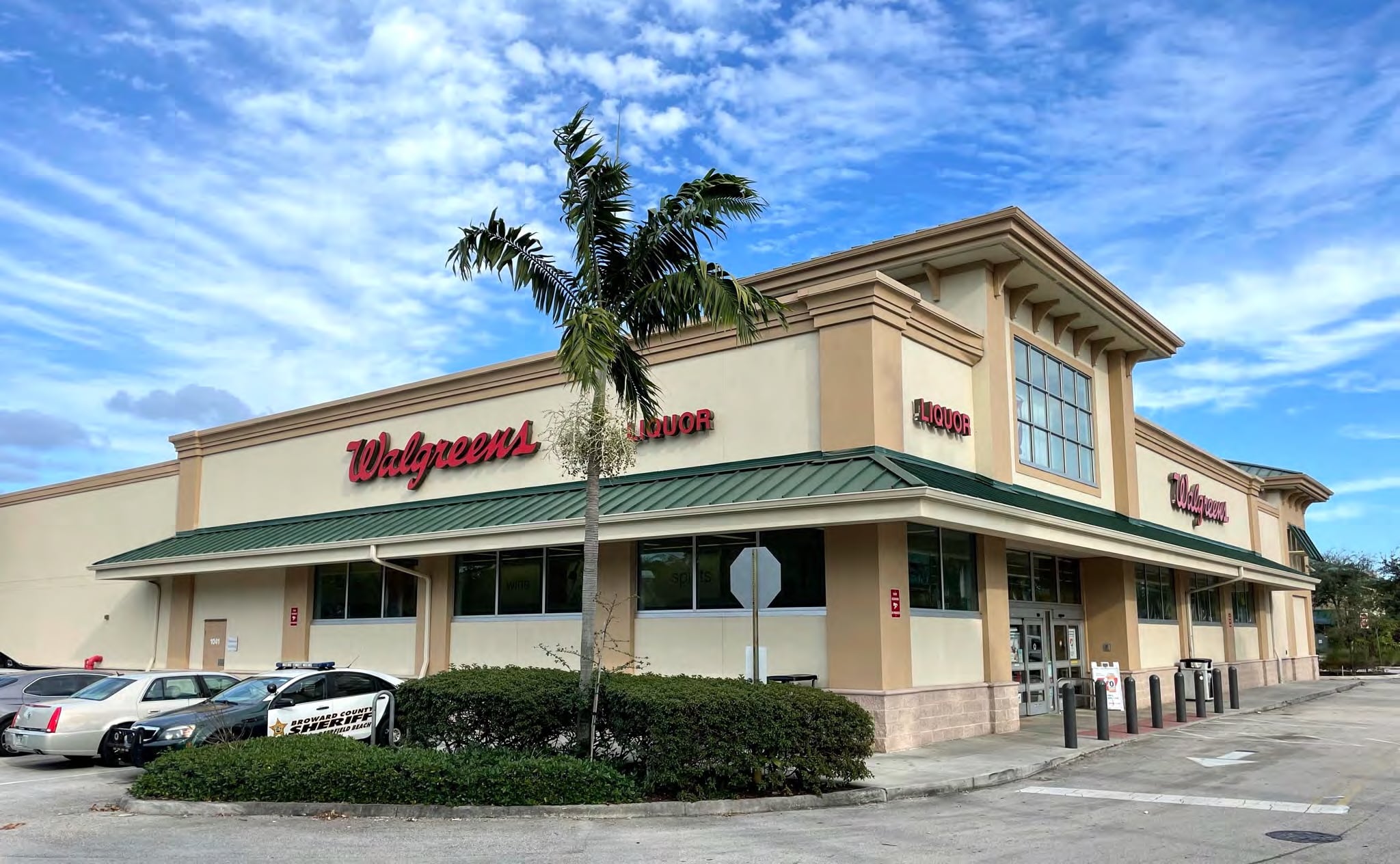
Let’s break this down with real numbers. Imagine you buy a Walgreens-leased property for $5 million in Florida — a no-income-tax state.
Here’s how depreciation works:
Land Value: $1,000,000 (non-depreciable)
Building Value: $4,000,000 (depreciable)
Rental Income: $300,000/year
IRS Depreciation Schedule: 39 years
Annual Depreciation: $4,000,000 ÷ 39 = $102,564
Now subtract that from your rental income:
Taxable Income After Depreciation: $300,000 – $102,564 = $197,436
Federal Tax Savings (at 30%): $102,564 × 30% = $30,769/year
Because Florida has no state income tax, this entire benefit stays in your pocket.
This Isn’t Just Theory — It’s Strategy
“Depreciation doesn’t just reduce your tax bill — it boosts your actual return without adding a dollar of rent.”
Many investors underestimate how big a role depreciation can play in increasing real cash flow. When applied correctly, it’s a game-changer — especially in tax-advantaged states like Florida.
How to Maximize Your Tax Savings
Now let’s say you finance the property instead of paying all cash.
Loan Amount (70% LTV): $3.5 million
Interest (Year 1 est.): $290,000
Depreciation: $102,564
Total Deductions: $392,564
Rental Income: $300,000
Paper Loss: $92,564
This means you owe $0 in federal income tax and can carry forward the loss to offset future gains.
4 Steps You Can Take:
Confirm land/building allocation early
Model leveraged vs. unleveraged tax impacts
Prioritize no-income-tax states for NNN investing
Work with a CRE advisor who understands these levers
Ready to see the real return on your next deal?
At Berlin Group, we specialize in helping investors build long-term wealth through strategic real estate deals.
Depreciation isn’t just an accounting tool — it’s a lever for protecting your income and accelerating financial freedom.
If you’re investing in NNN properties, especially in tax-advantaged states, make sure you’re capturing every dollar of value available.
We help investors use depreciation, tax structuring, and strategic location decisions to maximize after-tax returns